The Futures Summit: A New Era of Development Cooperation
April 10, 2026 • 8:30 am – 4:30 pm EDT
Hosted by Global Development
The implosion of the Soviet Union sparked a massive evolution for the 15 former republics, which have undergone their own transition to become independent states. While the Baltic states have completed a successful transition to open societies and market economies, many others in Eastern Europe continue to face immense obstacles or democratic backsliding. CSIS analysis sheds light on the internal dynamics in these states, their intra-regional relationships, their broader foreign and security policies, and the implications of their choices and circumstances for their neighbors, the United States, and the rest of the world.

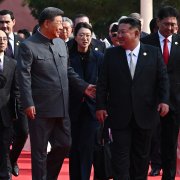
Photo: SERGEY BOBYLEV/POOL/AFP
Newsletter by Edward Howell — April 6, 2026

Transcript — April 3, 2026

Commentary by Donatienne Ruy — April 3, 2026

Critical Questions by Donatienne Ruy and Maria Snegovaya — March 11, 2026

Podcast Episode by Max Bergmann, Maria Snegovaya, and Eric Ciaramella — March 5, 2026

Podcast Episode by Max Bergmann and Maria Snegovaya — February 12, 2026

Podcast Episode by Max Bergmann, Maria Snegovaya, and Jade McGlynn — January 22, 2026

Podcast Episode by Max Bergmann and Michael Kimmage — December 1, 2025


Photo: CSIS

Photo: CSIS

Photo: CSIS


Photo: CSIS

Photo: CSIS


Newsletter by Edward Howell — April 6, 2026
Event — April 3, 2026
Commentary by Donatienne Ruy — April 3, 2026
Transcript — April 3, 2026
Event — March 18, 2026
Critical Questions by Donatienne Ruy and Maria Snegovaya — March 11, 2026
Podcast Episode by Max Bergmann, Maria Snegovaya, and Eric Ciaramella — March 5, 2026
.jpg?VersionId=dwrj.pTWOSsuIMQwhkXhp5k8.u7zy458&h=f405c703&itok=h5KSt4B2)
Transcript — February 24, 2026
Event — February 23, 2026
Podcast Episode by Max Bergmann and Maria Snegovaya — February 12, 2026